
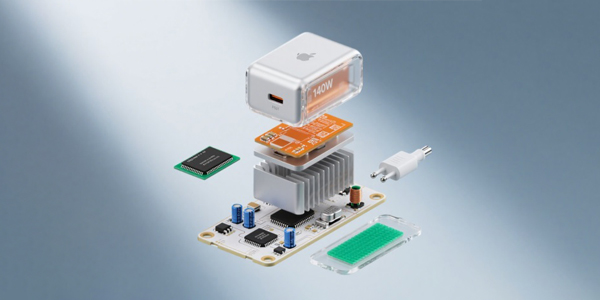
In the digital age, power adapters are indispensable devices in our lives, capable of converting mains electricity into stable voltage and current suitable for electronic devices. From mobile phones and laptops to tablets and smart speakers, various electronic devices rely on power adapters for proper operation. However, many people often overlook some important precautions when using power adapters, which may not only affect the lifespan of the devices but also pose safety hazards. This article will elaborate on the precautions to be taken when using power adapters, helping everyone to use them correctly and safely.
Adaptability is key
When using a power adapter, it is crucial to first ensure its compatibility with the device. Different electronic devices have varying voltage, current, and interface requirements. For instance, the charging voltage for a mobile phone is typically around 5V, whereas the operating voltage for a laptop may be around 19V. Using an incompatible power adapter can prevent the device from functioning properly or even cause damage. There have been instances where users attempted to charge a tablet with a mobile phone charger. However, due to the higher current required by the tablet, the mobile phone charger was unable to meet the demand, resulting in not only a slow charging speed but also overheating of the charger, which nearly caused a fire. Therefore, when purchasing and using a power adapter, it is essential to carefully check the device's parameter requirements and select an adapter that matches them.
Pay attention to the working environment
The working environment of a power adapter has a significant impact on its performance and lifespan. The power adapter should be used in a dry and well-ventilated environment. A humid environment can easily lead to circuit short circuits, causing safety accidents. In a high-temperature environment, the heat dissipation of the power adapter will be affected, and the temperature of internal components will rise, which may accelerate component aging and reduce the service life of the adapter. If the power adapter is left in a car exposed to direct sunlight for a long time during hot summer days, it is likely to be damaged due to overheating. At the same time, it is also important to avoid using the power adapter in a dusty environment, as excessive dust accumulation may affect heat dissipation and may also lead to circuit failure.
The plugging and unplugging operations should be standardized
When plugging in or unplugging a power adapter, standardized operation is required. When plugging in or unplugging, hold the main body of the adapter, rather than pulling the power cord. Frequently pulling the power cord can easily lead to the breakage of the wires inside the power cord, or loosen the connection between the plug and the adapter, thus affecting normal use. When connecting the power adapter to the device, ensure that the plug is fully inserted into the interface to avoid poor contact. Poor contact may generate electric sparks, which not only damages the device interface but also poses a safety risk. In addition, when the device is not in use, the power adapter should be unplugged in a timely manner to avoid long-term no-load operation. This not only saves energy but also reduces potential safety hazards caused by the adapter being powered on for extended periods.
Prevent overload and overheating
Power adapters have their rated power and current output. During use, overload should be prevented, which means avoiding connecting too many devices or using devices with excessive power, as this may cause the adapter's output current to exceed its rated value. Overload can cause the power adapter to overheat and may even lead to a fire. Some users, for convenience, use a multi-port power adapter to charge multiple high-power devices simultaneously, which is prone to overload. When the power adapter overheats, it should be stopped immediately to check for overload or to wait for the adapter to cool down before continuing use. Sufficient space should be left around the adapter to facilitate heat dissipation.


 +8613424360715